

Reforming building setbacks: A key to a more walkable Austin?
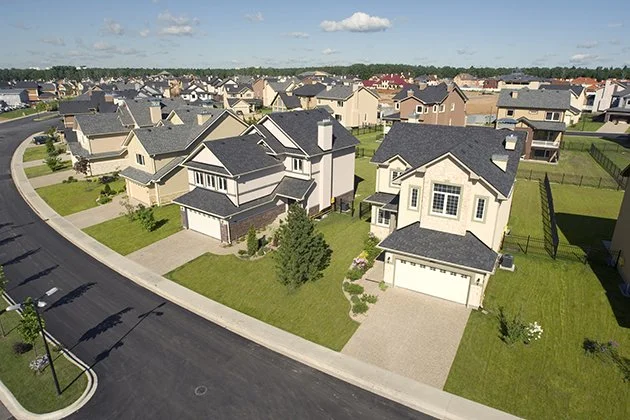
Mandatory building setbacks — which dictate how far homes, businesses, and other buildings can be from the front, back, or sides of the property line — have over decades profoundly shaped Austin. By forcing buildings apart from each other and the street, setbacks have greatly impacted people’s ability to access destinations on foot or by bike, buildings’ ability to shade the street, and residents’ ability to connect with neighbors. In this guest post, Safe Streets Austin intern John Stark explains why we should care about setbacks.
Setbacks came of age in the 19th century but do they have a place in 21st century cities? And could reducing or eliminating mandatory setbacks make Austin safer, healthier, and more prosperous and equitable?
Before the automobile, people lived, worked, and played in closer proximity to each other. As major cities in the 19th century USA rapidly grew into the 20th century, lawmakers thought that cities needed more order. One of the tools used by growing suburbs around America's growing metropolises were setbacks. Setbacks require a building to be “setback” from the property line by a specified distance. As people moved out of urban areas and into the suburbs, they wanted to control and preserve a country-like aesthetic. Setbacks were a central influence in the resulting suburban form.
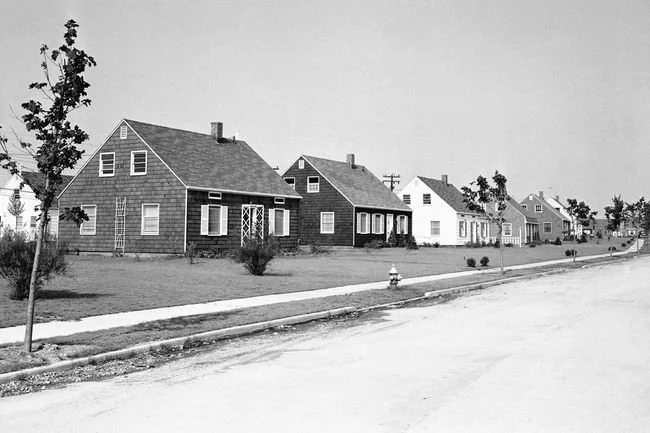
A street on one of America’s first suburbs.
Setbacks originally sought to combat the unhealthy living conditions of the late 19th and early 20th century cities. There were sanitation and safety issues with living in dense conditions without modern technology. Setbacks in the city were largely aimed to increase airflow and reduce fire risk.
However, time has told a different story. With fire risk, modern construction standards have done much more for safety than setbacks ever did. As for air quality, air conditioning and air filtration have made air shafts obsolete. The reality is that setbacks for indoor air quality never worked well and modern air filtration systems are far superior. Setbacks are clearly not the best solution for previous century’s safety concerns and come at a steep cost to urban life in our current age.
Setback requirements contribute to a development pattern of low-density sprawl, which has been linked with increased air pollution, water pollution, loss of habitat, reduced open space, increased flood risk, higher energy consumption, lower economic growth, and poor public health. Depending on the size of the setbacks, a property owner can be limited as to what is possible to build on their property. At the scale of the city, setbacks lead to wildly inefficient land use that limits productivity and prosperity for all and leading to economic segregation, especially for lower-income residents who could otherwise use an additional dwelling unit or commercial building to generate valuable income.
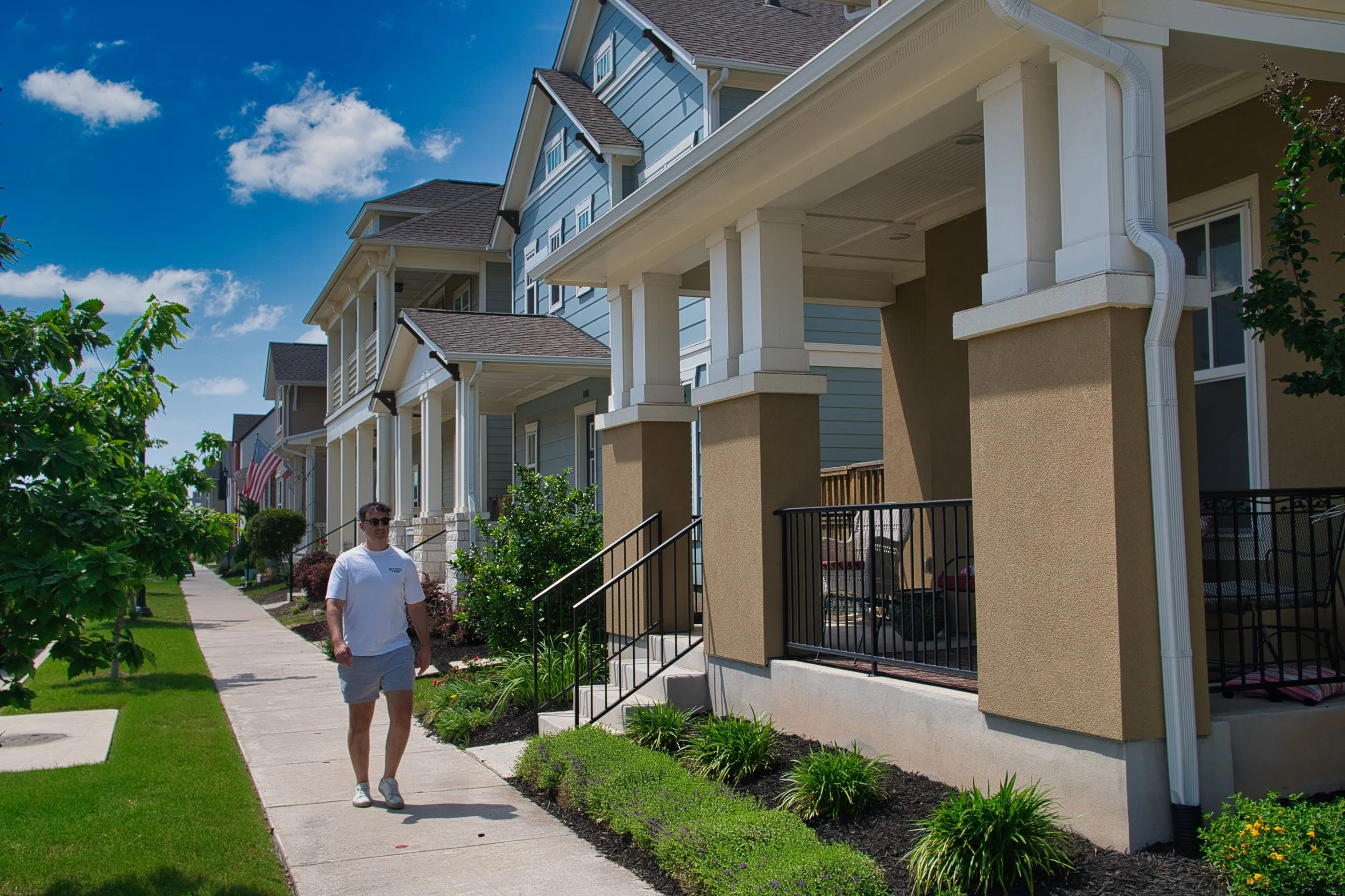
Austin’s Mueller neighborhood, which features extensive minimal building setbacks.
How could setback reform improve Austin?
By reducing or eliminating mandatory setback requirements, Austin’s streets over the long run could see gradual but profound improvements.
More Walkability and Social Interaction
Walkable neighborhoods benefit from having little to no setbacks, especially front setbacks. Low/no setback neighborhoods allow for more social interaction due to front doors and porches being closer to the streetscape. Having buildings closer to the curb allows for more impromptu social interactions between residents and passersby.
Improved Road Safety
Wider streets lead to faster driving. In neighborhoods with large setbacks, streets could seem 50 feet wider than they actually are. Smaller setbacks would reduce perceived width and contribute to safer driving in neighborhoods.
Efficient Land Use and Increased Freedom
Large setbacks greatly reduce the amount of buildable land that a property owner can use. Front setbacks are especially cumbersome because they were historically put in place for the wealthy to showcase beautiful lawns. Without requiring property owners to showcase lawns they often never use, they could instead could put land to better use with larger backyards or ADUs for additional income.
Buildings Provide Shade
In Austin, the summer sun can be brutal. A minimal front setback building can cast much needed shade where we need it most.
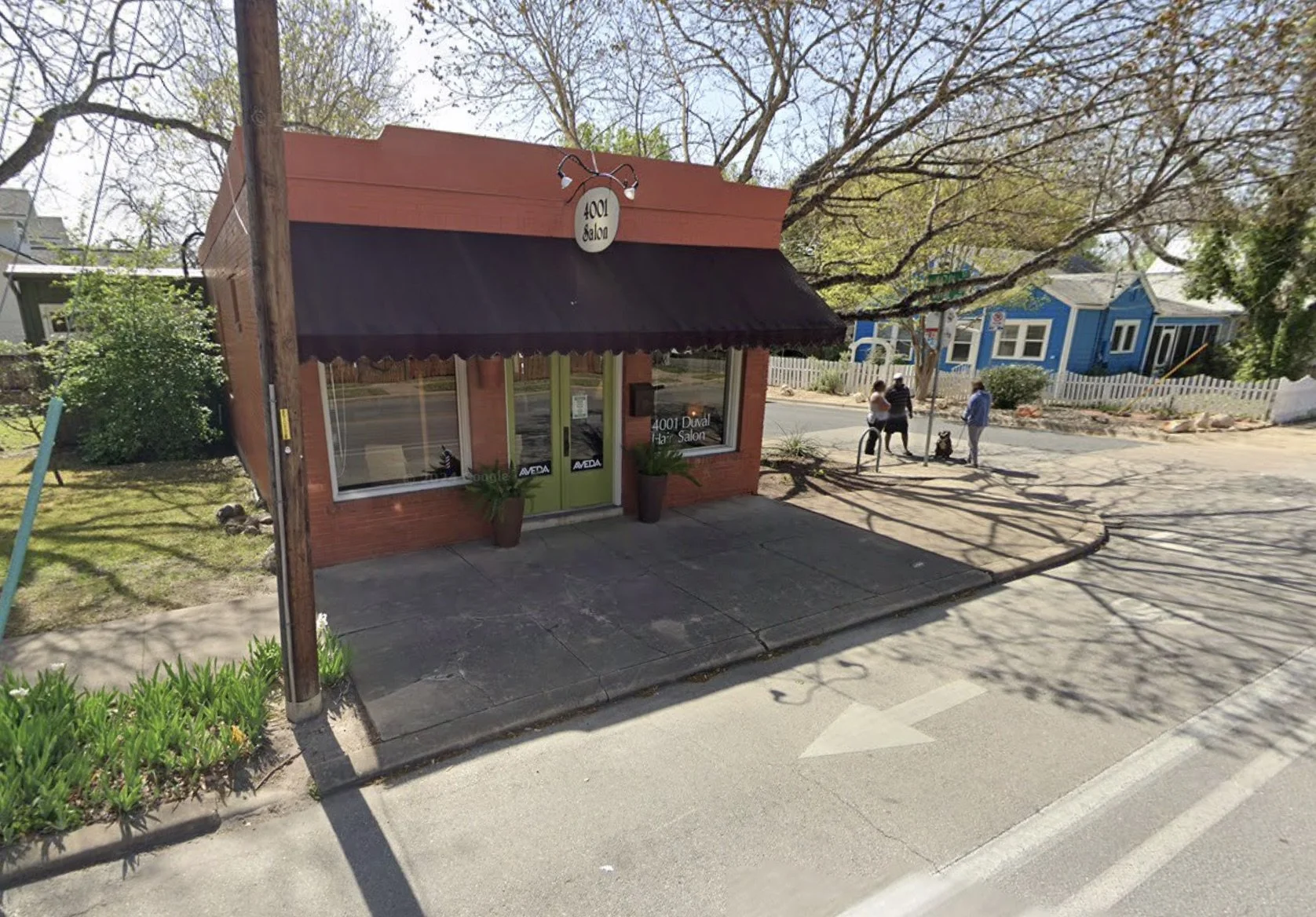
This small commercial building on Duval Street in Austin casts valuable shade on hot days.
Eliminating or reducing mandatory setbacks will lead to a safer and more prosperous Austin for everyone. From increasing walkability, social activity, and economic prosperity to combating the climate crisis, setback reform is a key solution to address the challenges of the 21st century.